Fiery Serpents, Our Jealous God, and Charismatic Leaders

      Before we take up Deuteronomy, there is a story in Numbers which warrants close scrutiny: “The Tale of the Fiery Serpents.”

What’s Up With These Snakes?

      The Israelites, as was their wont, grew impatient during their search for The Promised Land and began to complain.

      “Why did you [Moses] bring us up from Egypt to die in the wilderness? For there is no bread and there is no water, and we loathe the wretched bread [i.e., the manna from Heaven]. And the Lord sent against the people the viper-servants [fiery-serpents], and they bit the people, and many people of Israel died. And the people came to Moses and said, ‘We have offended, for we have spoken against the Lord and against you. Pray to the Lord that the He take the serpents away from us.”[1]

      Now, we all know how sensitive chefs can be about their culinary creations, but the Lord’s response does seem a bit over the top, don’t you think? Not to worry. The Lord did not send an army of snakes to punish the Israelites because they were whiners or for any other reason. Yes, He created those serpents, along with many other poisonous snakes which, as noted by the biblical scholar Robert Alter, the Israelites had undoubtedly encountered during their sojourn in the desert.[2]

Continue reading “Fiery Serpents, Our Jealous God, and Charismatic Leaders”
Our Abiding Fear of Freedom

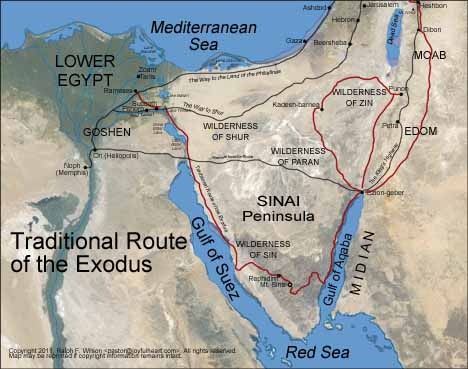
      The Book of Numbers (arithmoi gk), so named because of the census in Chapter 1, contains a complex mix of materials—different “genres,” you might say—such as, laws, poetic folk traditions, ritual texts and narratives. The dominant storyline, however, is the comings and goings of the Israelites on the Siani Peninsula, along with Yahweh’s provision for his people. Who, I should add, frequently complain and periodically rebel.  

Continue reading “Our Abiding Fear of Freedom”

Interpreting the Old Testament

Author’s Note: The course of study this year for our weekly[1] Sunday school is the Hebrew Bible, (aka, the Old Testament). In a fit of bad judgment, the local leaders of my church asked me to share a few thoughts each week on the chapters and verses scheduled for study and discussion on the Sabbath. I will publish the first installment of this series the evening of Friday, May 7 (Saturday May 8, at the latest).

There is a manual for this class, a PDF of which can be obtained, free of charge, here.  Reviewing the weekly lesson in the manual is not essential to understanding my essays.  

Given the size of the Old Testament and the comparatively small number of Sundays in a calendar year, I will only scratch the surface of the assigned lesson material. (With rare exception, I will limit each essay to 1,000 words or less.)

As a preface to this project, I thought I should explain my methodology—my mindset, if you will—when reading ancient texts.

*      *      *      *      *      *      *

Continue reading “Interpreting the Old Testament”